Part-Time Concert Event Helper: Duties, Skills, and How to Get Started
Concerts may look effortless from the crowd, but behind every smooth entry line, fast merch sale, and last-minute stage reset is a crew making the night work. A part-time concert event helper often handles the details guests barely notice, from guiding arrivals to moving equipment and solving small issues before they spread. For students, side hustlers, and people curious about live entertainment, it can be a flexible job that teaches real-world teamwork, timing, and customer service.
Outline: this article explains what a part-time concert event helper does, how the job changes before, during, and after a show, which skills matter most, where beginners can find openings, and how to decide whether the work fits their schedule, energy level, and long-term goals.
Understanding the Role and Why It Matters
A part-time concert event helper is one of those jobs that becomes visible only when something goes wrong. When everything is running smoothly, guests simply enjoy the night. They enter without confusion, find their section, buy a shirt without a long wait, and leave safely after the encore. That smooth experience usually depends on a mix of venue staff, promoters, security teams, production crews, and event helpers. In many cases, the helper is the flexible extra pair of hands that keeps pressure from building in one area.
The role can exist under different job titles. One employer may call it event staff, another may say guest services assistant, venue crew assistant, production runner, usher, floor staff member, or merch support. The exact title matters less than the function. These jobs are usually temporary, shift-based, and tied to a concert calendar. A small local club may hire a few helpers for door management and room resets. A large arena or festival may bring in dozens of workers and assign them to narrowly defined zones. In practical terms, that means the job can look very different depending on where you work.
Typical work settings include:
• music clubs and theaters
• arenas and stadiums
• outdoor festivals
• university venues
• convention centers hosting touring performances
What makes the role important is its combination of hospitality and logistics. Concerts are not only artistic events; they are timed operations with crowd flow, safety checks, equipment needs, and customer questions happening all at once. A helper may guide guests one moment and deliver supplies the next. At smaller venues, one person can wear several hats in a single shift. At larger venues, the role is more specialized, but even then, adaptability remains valuable.
There is also a strong learning component. For someone trying to understand the live entertainment world, this job offers a ground-level view of how shows are built. You see how call times work, why doors open when they do, how artist schedules affect staffing, and how minor delays can ripple across an evening. It is not always glamorous. You may spend more time rolling barriers than watching the headline act. Still, the role matters because concerts are made not only by performers under the lights, but by workers moving steadily in the shadows just beyond the stage edge.
Core Duties Before, During, and After the Show
The daily work of a part-time concert event helper is best understood in three phases: before the show, during the show, and after the show. Each phase has its own rhythm. Before the audience arrives, the mood is focused and logistical. During the event, everything speeds up. After the show, tired feet meet cleanup, reconciliation, and reset tasks. A person considering this job should understand all three, because the shift rarely begins at showtime and almost never ends when the last song does.
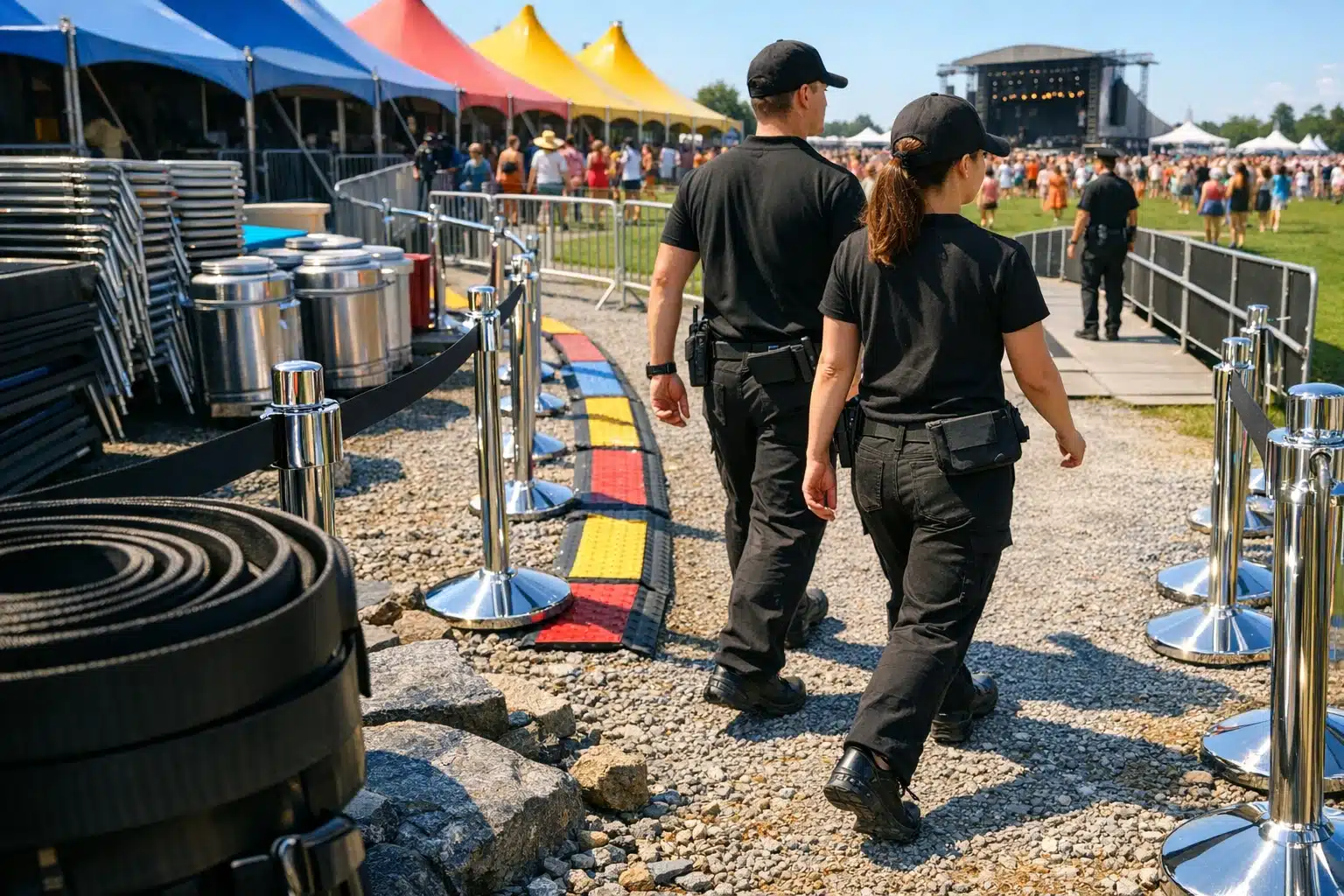
Before the show, helpers may assist with setup, signage, queue organization, and guest-facing preparation. In some venues, they help place stanchions, check entry routes, stock merchandise areas, set up credential tables, or confirm that seats and aisles are clear. In production-heavy settings, a helper might carry cases, deliver water, move folding tables, or act as a runner between departments. This stage requires punctuality. If call time is 3:00 p.m., arriving at 3:10 can immediately affect the team, because setup work tends to run on tight schedules.
A common pre-show task list might include:
• checking radios or communication devices
• preparing ticket scanning or wristband stations
• directing early arrivals to the correct line
• supporting accessibility needs for guests
• helping vendors or merch teams get ready
• reporting hazards such as blocked exits or spills
During the show, the helper becomes part traffic guide, part problem-solver, and part customer service worker. One guest cannot find their seat. Another needs information about re-entry. A line at the merchandise stand suddenly doubles after the opening act ends. A barricade area needs monitoring. A backstage runner is asked to deliver batteries, towels, or printed set times. These are small actions individually, but together they keep the event functional. In many venues, staff are expected to stay alert even when the room feels settled, because concerts can change quickly. Weather shifts at outdoor shows, unexpected surges near the stage, or technical delays may all require rapid adjustments.
After the show, helpers often manage crowd exit flow, collect venue materials, assist with basic cleanup, return equipment, and document lost-and-found items. Some may support load-out by moving non-technical supplies, while others help reset spaces for the next event. A concert that lasts four hours for a fan can turn into an eight- or ten-hour workday for staff. That is why the role rewards people who understand that the real job is not watching the performance. It is making sure the performance can happen, continue, and close safely.
Skills, Personal Qualities, and Real Working Conditions
The most useful skills for a part-time concert event helper are not always dramatic, but they are highly practical. Employers usually value reliability first. A person who shows up on time, follows instructions, stays calm, and treats guests respectfully can become more valuable than someone who loves music but struggles with discipline. Live events depend on coordinated timing, so dependable workers are remembered. That matters because repeat bookings often go to staff who make a supervisor’s night easier, not harder.
Communication is another key skill. Helpers must give clear directions, listen carefully, and speak professionally even when the environment is loud or stressful. Good communication is not just friendliness; it also includes brevity and clarity. At a busy entrance, there is no need for a long explanation when one short sentence can move the line. Teamwork matters just as much. Event staff often rely on quick handoffs, radio updates, and mutual awareness. If one person notices a bottleneck and another responds quickly, the guest experience improves immediately.
Employers often look for:
• customer service ability
• physical stamina for standing and walking
• calm behavior under pressure
• situational awareness and attention to safety
• willingness to work nights, weekends, and holidays
• basic comfort with ticket scanners, radios, or point-of-sale systems
The working conditions deserve honest discussion. Concert jobs can be exciting, but they are also physically demanding. Many shifts involve long periods on your feet, lifting light to moderate items, moving through crowds, and working in noisy spaces. Outdoor events may include heat, wind, rain, or cold. Indoor venues can be crowded and fast-paced. Dress codes are often simple and functional, such as black clothing, closed-toe shoes, and minimal accessories. Workers may not have much time to sit, and breaks can depend on staffing levels and show timing.
Compared with retail or restaurant work, concert event helping shares the same foundation of customer interaction and pace, but the environment is less predictable. Compared with security work, it is usually less enforcement-focused, though helpers still need awareness and professionalism. Compared with backstage production roles, it often requires less technical expertise but more direct contact with the public. The right fit is someone who can handle changing instructions without losing composure. When the lights dim and the crowd leans forward for the first chord, the helper’s job is not to drift into the moment. It is to stay sharp while everyone else gets carried away.
How to Get Started and Find Your First Concert Job
Breaking into this kind of work is usually more practical than mysterious. Most beginners do not need elite connections or a perfect entertainment resume. They need a clear application, flexible availability, and a willingness to take entry-level shifts seriously. Concert staffing often comes through venues, event staffing agencies, promoters, theaters, convention centers, universities, and local festivals. Many openings appear on standard job boards, company career pages, or local employment groups focused on hospitality and events.
A strong beginner application should highlight transferable experience. If you have worked in retail, food service, hospitality, campus events, volunteer coordination, or customer-facing roles, mention it clearly. Employers want evidence that you can interact with the public, follow procedures, and stay dependable during busy periods. Your resume does not need to be flashy. It needs to be readable and relevant. Include availability, any experience with crowds or ticketing, and practical strengths such as bilingual communication, cash handling, or lifting capability if appropriate.
A useful starter checklist looks like this:
• prepare a one-page resume focused on service and reliability
• apply to multiple venues and staffing companies, not just one
• mention evening and weekend availability if you genuinely have it
• keep a simple black work outfit and comfortable shoes ready
• respond to booking messages quickly
• arrive early for first shifts and ask smart questions
Interviews for these roles are often straightforward. Expect questions about schedule flexibility, customer service scenarios, physical stamina, and how you handle pressure. Some employers may ask whether you are comfortable with late-night shifts or large crowds. Others may want to know if you can work several dates in a row during a busy season. If you are new, honesty helps more than bluffing. Saying, “I have not worked a concert before, but I have handled busy customer lines and can learn fast,” is better than pretending to know venue operations you have never seen.
There is also a difference between paid entry-level work and unpaid volunteer roles. Some festivals and community events use volunteers, which can provide exposure, but paid roles are generally better if your goal is regular work experience and income. Once you complete a few shifts successfully, the path often gets easier. Supervisors remember punctual workers. Agencies rebook people who reply quickly. Venues may add trusted helpers to preferred call lists. In this field, momentum often starts with one reliable night, then another, then a calendar that fills faster than you expected.
Pay, Career Value, and Final Thoughts for New Applicants
Pay for part-time concert event helper work varies by city, venue type, employer, and responsibilities. In many places, it sits near local entry-level event staffing, hospitality, or guest service wages, though certain assignments may pay more for overnight hours, festival conditions, heavy workload, or specialized responsibilities. It is wise to ask whether the shift is hourly, whether breaks are paid, how overtime is handled, and whether parking or transportation is reimbursed. Some jobs include perks such as staff meals, free water, or occasional access to parts of the event, but those extras should be viewed as small benefits, not substitutes for fair pay.
One of the biggest advantages of the job is flexibility. It can fit around classes, freelance work, or another part-time role. That makes it attractive for students, musicians, creative workers, and people exploring the entertainment industry without committing to a full-time position immediately. It also builds transferable skills. Crowd communication, team coordination, punctuality, conflict management, and operational awareness all carry value in hospitality, tourism, venue management, and production support. For some workers, this role stays a side job. For others, it becomes a first step toward event operations, tour support, artist services, merchandising, stagehand work, or venue administration.
There are, however, real trade-offs. Schedules can be inconsistent. Busy months may bring several shifts a week, while slower periods may offer very little. Some events end late, which can complicate transport home. The work can be tiring, and not every shift places you near the music you like. Sometimes you are posted at an entrance, hallway, or storage area and hear more bass through the wall than songs in full. That is part of the deal. Loving concerts helps, but professionalism matters more than fandom.
For readers wondering whether to try it, the best question is not “Will this feel glamorous?” but “Does this match the way I like to work?” If you enjoy movement, can stay courteous under pressure, and want flexible income with a backstage-adjacent view of live entertainment, the role can be a smart place to begin. If you need predictable hours, quiet settings, or seated work, it may be less suitable.
Summary for aspiring applicants: a part-time concert event helper role is a practical, skill-building job that rewards reliability, stamina, and common sense. It offers a front-row lesson in how live events function, even if your actual post is near the exit rather than the stage. Start with realistic expectations, take the small tasks seriously, and treat every shift like an audition for the next one. In live events, opportunities rarely arrive with fireworks. More often, they arrive on a staffing message, with a call time, a dress code, and the chance to prove you can handle the night.