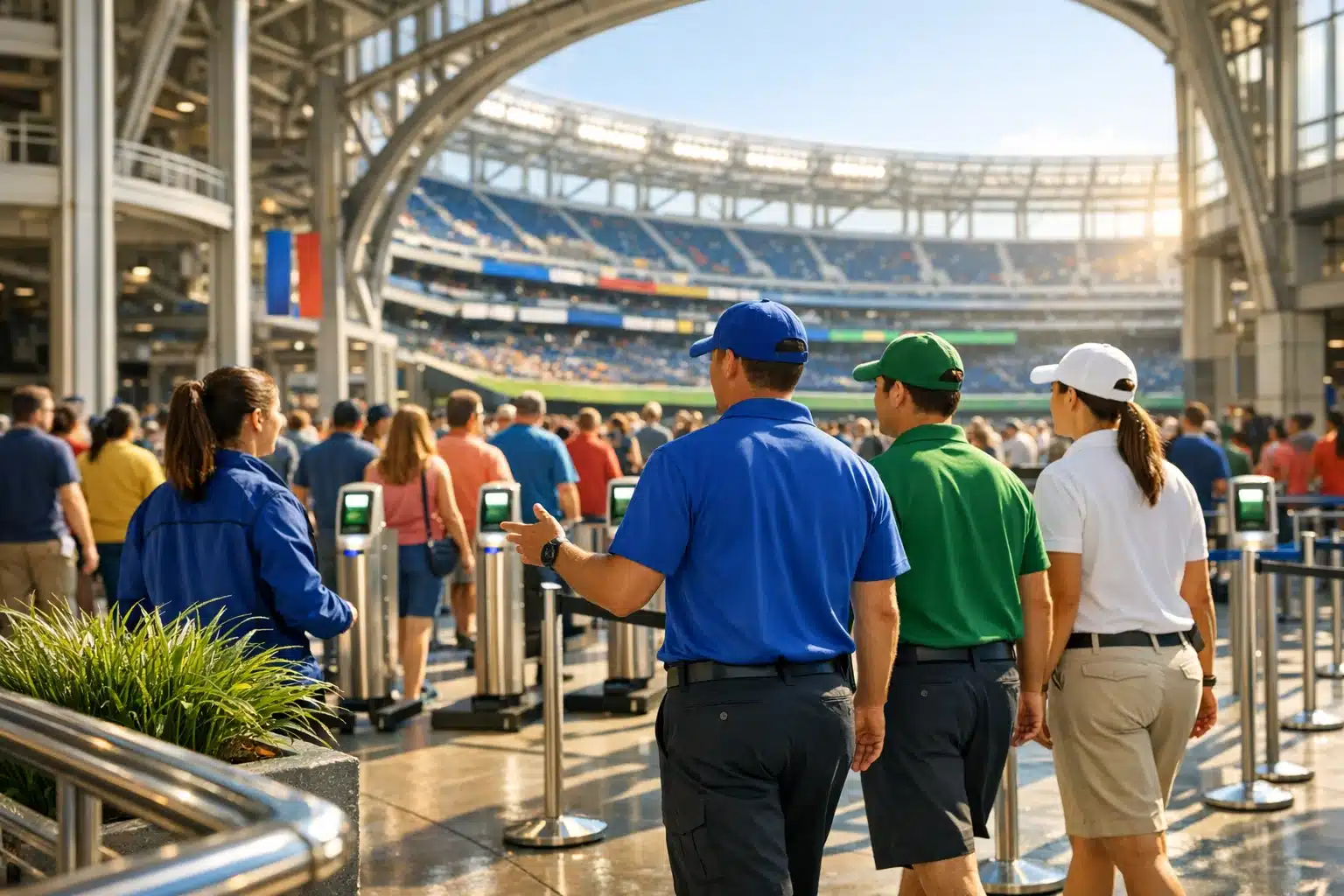
Part-Time Stadium Event Staff: Roles, Duties, and How to Get Started
Behind every smooth game day is a moving network of part-time staff guiding crowds, scanning tickets, serving food, protecting guests, and solving small problems before they grow. For students, parents, retirees, and anyone seeking flexible income, stadium work offers a practical entry point into the live-events world. It is fast, social, and demanding in equal measure, which is exactly why understanding the roles, expectations, and hiring process matters before you apply.
Outline
-
The importance of part-time stadium staffing and why venues rely on flexible event teams.
-
The most common roles, from ushers and ticket takers to concessions, guest services, and support operations.
-
The skills, working conditions, and day-to-day realities that shape success in these jobs.
-
How pay, scheduling, and long-term value compare with other types of part-time work.
-
How to get started, apply effectively, prepare for interviews, and perform well on event day.
Why Part-Time Stadium Event Staff Matter
Stadiums may look like places built mainly for athletes, artists, and fans, but they are also carefully managed workplaces that depend on hundreds, and sometimes thousands, of temporary and part-time workers to function. A single event can bring together massive crowds within a narrow window of time, which means the venue must scale its workforce up quickly and then scale it back down once the event ends. That basic reality is why part-time staffing is not an afterthought in the stadium business. It is one of the foundations of the entire operation.
Think about what happens in the hours before kickoff or before the lights drop for a concert. Parking areas open, gates prepare for entry, security screening stations are activated, food stands stock inventory, suites are arranged, and guest services teams position themselves to answer questions from the first arrivals. In large venues, attendance can range from tens of thousands to more than 70,000 people depending on the facility and event. Even smaller arenas must handle concentrated bursts of demand in ways that many ordinary workplaces never face. A store might spread customers across a day. A stadium often gets a wave.
That wave creates a labor model built around flexibility. Part-time event staff help venues meet several goals at once:
-
They allow management to match labor with the event calendar rather than maintain an oversized full-time workforce.
-
They support specialized functions such as ticket scanning, seating assistance, concessions, and premium hospitality.
-
They improve guest experience by reducing wait times, confusion, and safety risks.
-
They give local workers access to shifts that fit around school, family duties, or another job.
This type of work is especially relevant today because many people want income sources that are structured but not locked into a standard Monday-to-Friday routine. Compared with gig apps, stadium work usually offers clearer supervision, a more social environment, and defined responsibilities. Compared with retail, it may provide fewer weekly hours but more energy, more variety, and stronger exposure to live entertainment operations. There is also an emotional dimension that matters more than people expect. A stadium shift places workers inside moments that fans remember for years. You may not be the one scoring the goal or stepping onto the stage, but you help create the experience around it, and that makes the role feel more connected to the event than many other part-time jobs ever do.
Common Roles and What the Work Actually Looks Like
Part-time stadium event staffing covers a wide range of roles, and one of the biggest mistakes applicants make is assuming every job is basically the same. In reality, each function has its own pace, pressure points, and skill requirements. Some jobs are highly visible and involve constant guest interaction. Others sit just behind the curtain, where timing and coordination matter more than conversation.
Ushering is often one of the most recognizable positions. Ushers welcome guests, check seating sections, help people find their rows, monitor aisles, and often answer basic venue questions. The role sounds simple, but it calls for alertness, patience, and diplomacy, especially when guests are late, frustrated, or sitting in the wrong seats. Ticket takers and entry attendants work at the front line of the arrival process. They scan mobile passes, verify directions, and keep the queue moving. During busy entry periods, the ability to remain calm while speaking clearly can make a noticeable difference in the flow of the crowd.
Concessions roles vary more than many job descriptions suggest. A worker might take orders, handle payments, prepare simple food items, restock supplies, or clean service areas between rushes. Premium hospitality or suite service tends to be more polished and service-oriented than standard concession stands, and employers may expect stronger customer service skills, a more formal presentation, or previous hospitality experience. Merchandise staff focus on product displays, transactions, and stock control. Parking attendants and transportation support staff help manage vehicle flow before and after events, which can be especially demanding when weather, traffic, or delayed exits create tension.
Other positions include guest services representatives, event cleaners, crowd management support, and security screeners. Some security-related roles may require additional certification, licensing, or employer-provided training depending on local regulations and the nature of the work. A useful way to compare stadium jobs is to sort them into three broad categories:
-
Guest-facing roles: ushers, ticket scanners, guest services, suite attendants, and merchandise workers.
-
Operational support roles: setup crews, stock runners, custodial teams, and back-of-house food support.
-
Access and safety roles: parking staff, gate attendants, screening personnel, and crowd flow teams.
The daily experience also differs by timing. Before an event, the job is about preparation. During the event, it becomes crowd management and service delivery. After the final whistle or encore, the focus shifts to exits, cleanup, and reset. In other words, the role is not one long task but a sequence of mini-missions. That is part of what makes stadium work engaging. The environment changes by the hour, and good staff members adapt with it.
Skills, Working Conditions, and the Real Challenges of Event-Day Work
Part-time stadium jobs are accessible, but they are not effortless. The strongest workers are usually not the loudest or most outgoing people in the room. They are the ones who show up on time, absorb instructions quickly, stay professional under pressure, and keep moving when the crowd thickens and the noise rises. On paper, the duties may look straightforward. In practice, the environment tests attention, stamina, and judgment in ways that applicants should understand before accepting a shift.
Reliability is the first skill that employers value because events run on fixed schedules. A guest can arrive late to the game, but the staff cannot. If gates open at a specific hour, the venue needs people in place before that moment, not after it. Communication is another essential skill. Workers must give directions, answer questions, explain rules, and sometimes defuse minor conflicts without escalating them. A calm tone can accomplish more than a sharp reply, especially when a guest is stressed, confused, or disappointed. The best event staff know how to be firm without sounding hostile.
Physical demands vary, but many stadium roles require long periods of standing, walking, lifting light to moderate items, climbing steps, or working outdoors. Weather can become part of the job. A parking attendant may deal with cold winds or heavy rain. A concessions worker may spend hours in a hot, crowded service area. An usher might stand through a full event with only brief breaks. This is not unusual in live event work, but it is important for applicants who are comparing stadium jobs with desk-based or retail positions.
The main challenges usually include:
-
Large crowds arriving or leaving in short bursts
-
Late nights, weekend shifts, and holiday scheduling
-
High noise levels that make communication harder
-
Guests who are impatient, distracted, or unfamiliar with venue rules
-
Unexpected changes such as weather delays, overtime, or crowd rerouting
Compared with a typical part-time retail job, stadium work may feel less repetitive but more intense. Compared with app-based delivery work, it often offers more structure and team coordination, though less day-to-day freedom over start times. There is also a hidden skill that experienced event staff develop: situational awareness. They learn to notice blocked aisles, confused guests, empty stock, restless lines, or small safety concerns before those issues become bigger problems. On a busy event night, that ability is like hearing the first crack of thunder before the storm rolls over the upper deck. It does not make the work dramatic; it makes the work competent. And competence is what venues hire for again and again.
Pay, Scheduling, and How Stadium Work Compares With Other Part-Time Jobs
For most applicants, the practical questions come quickly: how much does it pay, how often can you work, and is it worth the effort? The honest answer is that pay and scheduling vary widely by city, venue type, employer, union arrangements, and role. In the United States, many entry-level part-time stadium jobs fall somewhere around local minimum wage to the low or mid twenty-dollar range per hour. Premium hospitality, specialized event operations, and certain security-related assignments may pay more, while general entry-level positions often sit closer to the lower end of that range. Some roles may involve tips, but that depends heavily on the employer, venue policy, and whether the worker is in a customer-facing hospitality setting.
Scheduling is one of the major trade-offs. Stadium work is flexible, but it is not always steady. A venue with a major sports tenant and frequent concerts may offer regular opportunities during peak seasons. Another venue may provide excellent shifts during a short stretch and then go quiet between major events. This means the job can be ideal for supplemental income but less dependable as a sole source of earnings unless you combine it with another role. Students often like this pattern because it fits around classes. Parents sometimes value evening or weekend shifts. Workers with full-time weekday jobs may use stadium events as a second income stream.
Several factors influence what the job is worth to you:
-
Hourly wage: important, but not the whole story if shifts are infrequent.
-
Shift length: some assignments are short, while others include setup and breakdown time.
-
Transportation and parking: travel costs can reduce the practical value of a shift.
-
Work environment: some people value event energy enough to accept a slightly lower rate.
-
Career value: networking and experience can matter if you want to move into hospitality, sports, or venue operations.
Compared with food delivery or rideshare driving, stadium jobs usually provide less independence but more predictable duties and less wear on personal vehicles. Compared with retail, they often offer fewer total hours but a livelier atmosphere and more event-based excitement. Compared with office temp work, they may pay similarly in some markets while demanding more physical effort. The long-term value can be significant for the right person. Event staffing builds customer service experience, teaches crowd awareness, and introduces workers to venue managers, concession contractors, and operations teams. A part-time shift at the gate may not look glamorous on a résumé at first glance, yet it can lead to supervisory work, hospitality opportunities, or a broader career inside sports and entertainment. Sometimes the side door is still a real entrance.
How to Get Started, Apply Effectively, and Succeed on the Job
Getting started in stadium event work is usually more straightforward than people expect, but a thoughtful application still matters. Many venues hire directly through their own careers page, while others use food service companies, event staffing agencies, security firms, or hospitality contractors. That means your first task is to identify who actually employs the role you want. A stadium may host the event without directly hiring every usher, bartender, or parking attendant on site. Once you understand the employer structure, the process becomes easier to navigate.
A simple, clean résumé is usually enough for entry-level positions. Focus on reliability, customer service, teamwork, cash handling, conflict resolution, physical stamina, or any work involving crowds and public interaction. If you have volunteered at school events, festivals, theaters, or community fundraisers, that experience can help because it shows comfort with live-event environments. In interviews, employers often look for practical signals rather than polished speeches. They want to know whether you can arrive on time, follow venue rules, stay courteous, and work through a busy shift without losing focus.
Helpful preparation steps include:
-
Apply early before a sports season or concert-heavy period begins.
-
Read job descriptions carefully so you understand standing time, dress code, and scheduling expectations.
-
Be honest about availability, especially for nights and weekends.
-
Ask whether training is paid and whether certifications are required for alcohol service or security duties.
-
Bring identification documents and respond quickly to onboarding emails, background check requests, or scheduling messages.
Your first shift will usually involve more observation than mastery. You may receive a radio protocol overview, entry instructions, evacuation guidance, guest service expectations, and a map of the venue. Pay attention to supervisors and veteran staff because event work contains many unwritten habits: when lines surge, where bottlenecks form, which gate gets confused guests, and how to phrase instructions so people actually listen. Small habits shape performance. Comfortable shoes, weather-aware clothing, a charged phone for schedule updates, and a punctual arrival can improve your experience more than any dramatic trick.
If you want to grow beyond occasional shifts, say so professionally. Reliable workers are often remembered. Supervisors notice the staff member who stays composed, volunteers for needed tasks, and treats guests respectfully even during chaotic moments. That reputation can lead to more frequent scheduling, better assignments, or added responsibility. For newcomers, the path into stadium work does not require perfect credentials. It requires readiness, consistency, and a willingness to be part of the machine that makes live events feel effortless from the seats, even when they are anything but behind the scenes.
Conclusion for Job Seekers
Part-time stadium event work is a strong option for people who want flexible income, a team-driven environment, and real exposure to the world of sports and live entertainment. It rewards punctuality, patience, and steady effort more than flashy experience, which makes it accessible to beginners who are willing to learn. If you are a student, a career changer, a parent returning to the workforce, or simply someone looking for a practical second job, these roles can offer both short-term earnings and useful long-term skills. The key is to choose the kind of role that matches your strengths, understand the demands before you start, and treat every shift like an opportunity to build trust and momentum.