Guide to 18+ Events
Introduction and Article Outline
18+ events sit at an interesting crossroads of entertainment, law, and social culture. They are not all the same, and that is exactly why they matter. Some are built around nightlife, others around education, networking, arts, or recreation, yet each one uses age limits to shape the atmosphere and reduce friction around access, supervision, and service rules. For attendees, the difference between a well-run adult-only event and a chaotic one can be enormous, affecting comfort, safety, and value for money.
This article follows a practical outline designed to move from basics to deeper insight. It begins by defining what 18+ events are and why the category exists. It then examines the legal and cultural framework behind age restrictions, followed by a close look at planning and attending these events responsibly. After that, it explores how organizers design experiences that appeal to adult audiences without relying on clichés. The final section looks ahead, considering trends that may change the format of 18+ gatherings in the years ahead.
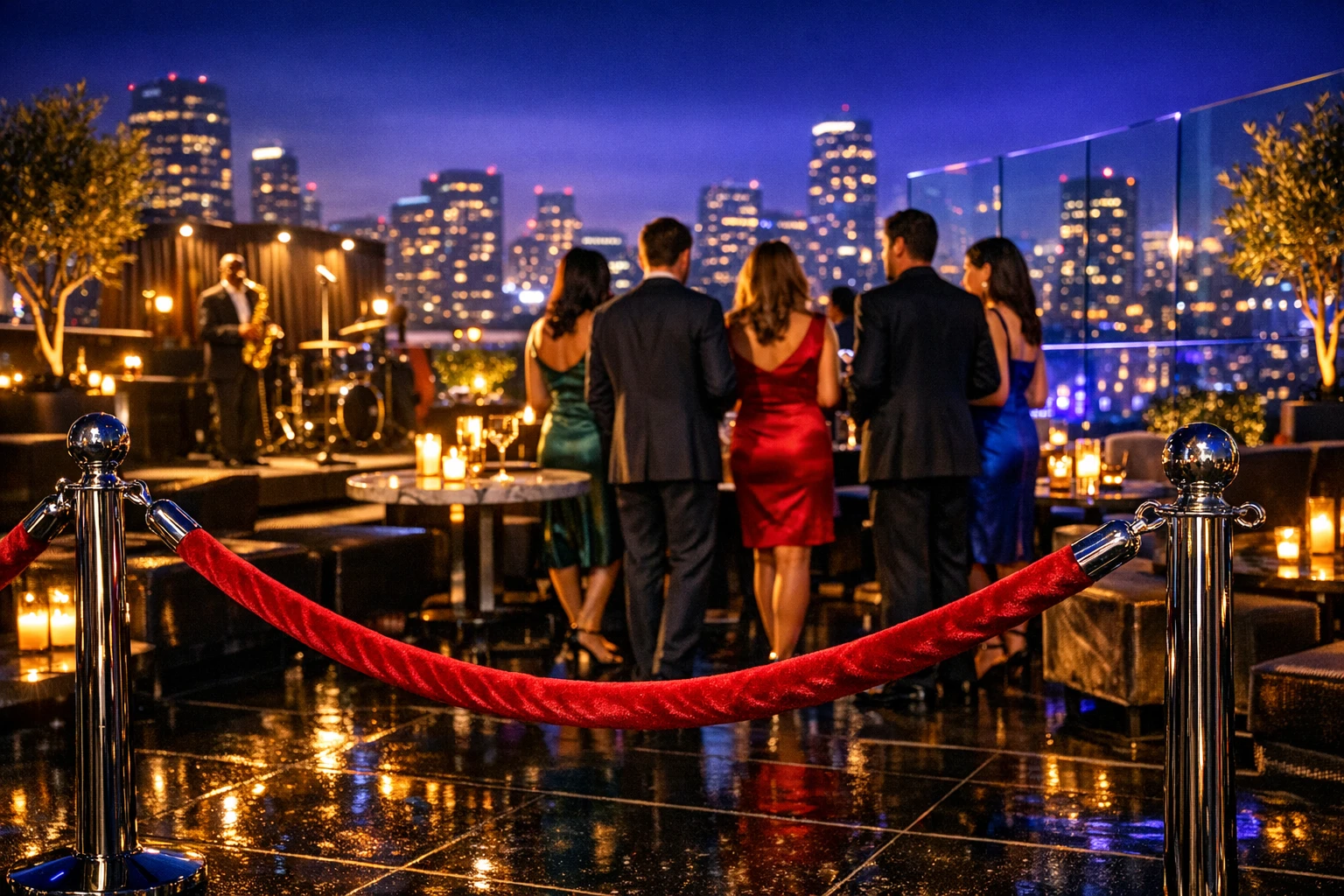
Whether someone is choosing a first adults-only concert, planning a themed social gathering, or organizing a venue program, understanding the logic behind 18+ events makes the entire experience more rewarding. A velvet rope may look simple from the outside, but behind it lies a mix of regulation, expectation, and carefully shaped experience.
What 18+ Events Are and Why They Exist
The term 18+ event usually refers to a gathering that is restricted to adults who are at least eighteen years old. That sounds straightforward, but the category is broader than many people assume. It can include nightclub evenings, stand-up comedy shows, casino events where local law permits entry at eighteen, spoken-word performances, after-dark museum programs, live music, gaming tournaments, dating mixers, tastings in places where alcohol laws allow adult entry, and even educational workshops that deal with mature subject matter. The age threshold creates a defined audience, and with it, a very different tone from all-ages programming.
Why do these events exist in the first place? In most cases, the answer is a blend of legal compliance and audience design. Certain activities are regulated by age because they may involve alcohol service, gambling, mature language, late-night hours, or venue environments that are considered unsuitable for minors. Even when an event is not centered on any one restricted activity, organizers may still choose an 18+ format because it simplifies crowd management and helps shape the social dynamic. Adults often behave differently when they know the room is built for peers rather than mixed-age attendance.
There is also a practical business reason behind the format. Event organizers try to match content with audience expectations. A comedy show with strong language, for example, can market itself more honestly if it is age-restricted. A nightlife event can invest in a more sophisticated atmosphere without trying to balance teen-friendly programming. An adults-only setting can also reduce certain operational burdens, including family seating concerns, supervision issues, and confusion around venue access.
Common examples of 18+ events include: • Live music nights with age-controlled entry • Comedy performances featuring mature themes • Adult gaming lounges or late-night tournaments • Cultural events scheduled after standard family hours • Themed social mixers and private parties for adults
The appeal is not simply that these events exclude younger guests. Their real value lies in what they make possible: conversations that feel more relaxed, schedules that can run later, entertainment that does not need to constantly self-censor, and an atmosphere built around adult autonomy. In a crowded event landscape, that distinction matters. The best 18+ events do not treat age restriction as a gimmick; they use it as a framework for creating a more coherent experience.
At their strongest, these gatherings offer freedom with structure. Guests can expect a setting tailored to their interests, while organizers can maintain clearer rules and more consistent messaging. That combination explains why the category remains relevant across cities, venues, and entertainment styles.
Legal Rules, Venue Policies, and Cultural Differences
Understanding 18+ events requires more than knowing the number printed on a ticket. Age-restricted programming sits inside a web of laws, venue rules, insurance requirements, licensing conditions, and local customs. In one city, an eighteen-year-old may legally enter a venue that serves alcohol but be barred from purchasing drinks. In another place, that same venue may require all guests to be older than eighteen or even twenty-one, depending on national or regional law. This means the phrase 18+ is never universal in practice, even if it looks simple in advertising.
For organizers, compliance begins with clarity. A venue must know which activities trigger legal obligations. These can include alcohol service, gaming operations, curfew-related restrictions, security staffing, or content classifications. Identification checks are one of the most visible parts of this system. They are not just a formality at the door; they protect the organizer from fines, licensing issues, and reputational damage. A poorly managed age check can turn into a serious legal problem, especially if controlled substances, alcohol, or gambling are involved.
Venue policies often go beyond local law. Some operators adopt stricter standards because they want a certain atmosphere or because their insurers demand tighter controls. Others separate audiences by using wristbands, zone access, or timed entry. For example, an evening concert may begin as an all-ages event and later transition into an adults-only format once bar service or mature programming starts. This hybrid structure is common in entertainment districts where venues need flexibility without violating operating conditions.
Cultural norms shape these events just as much as written rules do. In some countries, turning eighteen is strongly associated with personal independence and adult nightlife. In others, families remain more central to public leisure, so 18+ events are narrower and more niche. Even within the same country, urban centers often host a wider range of adult-only events than smaller towns, simply because demand, transport, venue density, and policing models differ.
Key legal and operational considerations usually include: • Acceptable forms of identification • Alcohol licensing and service boundaries • Maximum venue capacity and security staffing • Noise rules and operating hours • Advertising standards for age-restricted events
Attendees benefit from understanding this framework because it reduces friction. A person who checks entry rules, ID requirements, bag policies, and venue terms in advance is less likely to face disappointment at the door. Organizers benefit too, because informed guests move through the event more smoothly and create fewer disputes. In the background, law and culture are doing a quiet but essential job: shaping who enters, what happens inside, and how safely the entire evening unfolds.
When 18+ events work well, it is often because the rules are visible without feeling oppressive. The best venues achieve that balance by making expectations easy to understand, applying them consistently, and training staff to enforce them with calm professionalism rather than confrontation.
How to Choose, Prepare for, and Enjoy an 18+ Event Responsibly
For attendees, a great 18+ event rarely begins at the entrance. It starts with choosing the right experience. Not every adult-only event offers the same atmosphere, and assuming they do is one of the easiest ways to waste time and money. A ticket description may promise music, drinks, or networking, but the actual mood can vary dramatically depending on crowd size, venue layout, dress expectations, transport options, and whether the event leans more toward performance, conversation, or high-energy nightlife. A little research can make the difference between a memorable evening and a forgettable one.
Start with the basics. Read the listing carefully, check the venue location, confirm the age rule, and look at the event schedule rather than only the headline act. Reviews, past event photos, and venue social media can reveal useful clues. Is the crowd usually relaxed or rowdy? Are seats available, or will it be standing room only for hours? Is the event centered on music, socializing, themed activities, or premium service? Adults often value time more than novelty, so choosing a format that suits personal energy levels is a practical move, not a boring one.
Preparation matters even more when events run late or take place in busy urban areas. Safe transport is a core part of the plan. If public transit stops early, attendees should know how they will get home before they arrive. Meeting points for friends, emergency contact access, and keeping devices charged are simple habits that prevent unnecessary stress. Budgeting matters too. The ticket price may be only the first cost, followed by transport, food, cloakroom fees, and merchandise or drinks.
A responsible event plan often includes: • Bringing valid identification and checking accepted ID formats • Setting a spending limit before arrival • Planning return travel in advance • Staying aware of venue exits and staff points • Respecting personal boundaries and reading social cues
One of the most important parts of enjoying 18+ events is understanding consent and mutual respect in social settings. Adult spaces are not permission slips for intrusive behavior. Whether the event is a concert, mixer, club night, or comedy venue, the best atmosphere depends on guests who respect personal space, understand rejection without drama, and support a culture where people can have fun without feeling pressured. This is especially relevant at events involving alcohol, where poor judgment can quickly damage the experience for others.
There is also a quieter side to good attendance: pacing. Not every successful night needs to be loud, expensive, or dramatic. Sometimes the best adult event experience comes from arriving early, finding the right corner of the room, talking to interesting people, and leaving before fatigue turns excitement into irritation. The mature choice is not always the wild one. Often, it is simply the one that fits the evening well.
When attendees approach 18+ events with preparation, awareness, and realistic expectations, they gain more freedom rather than less. They are able to relax because the essentials are already handled. And that, in many ways, is the hidden luxury of adult leisure: not chaos, but confidence.
What Makes an 18+ Event Successful for Organizers and Venues
From the organizer’s side, an 18+ event is not successful merely because tickets sell. A full room can still feel flat, uncomfortable, or poorly managed. The strongest events are built through deliberate design choices that align audience, format, staff training, timing, and communication. Adult-only programming usually attracts attendees with higher expectations than casual drop-in crowds. They notice whether the line moves efficiently, whether staff know the policy, whether the sound level suits the content, and whether the event has a clear identity beyond a vague promise of nightlife.
Audience definition is the first major step. An 18+ live DJ set for college-age guests will differ sharply from an 18+ cultural salon, late comedy showcase, or premium tasting evening. The most common planning mistake is trying to appeal to everyone at once. Broad targeting often leads to muddled branding and an unfocused atmosphere. A clearer concept creates better outcomes. Guests are more satisfied when the event tells them exactly what kind of night they are walking into.
Experience design matters at every scale. Lighting, crowd flow, seating, entry queues, restroom access, and food or beverage availability all shape mood. Even small details can change the tone. A harshly lit room with nowhere to sit discourages longer stays. A venue with poor signage creates friction before the event even begins. Meanwhile, skilled hosts, reliable schedules, and thoughtful transitions between activities make an event feel intentional rather than improvised.
Strong organizers usually focus on: • Clear pre-event communication about rules, start times, and dress codes • Fast and consistent ID verification at entry • Staff training for conflict de-escalation and guest support • Sensible capacity planning to avoid overcrowding • Programming that matches the promised audience profile
Financially, 18+ events can be attractive because adult audiences often spend more on premium experiences, upgrades, and repeat visits. Yet higher spending potential does not guarantee success. Pricing must feel fair relative to quality, location, and event length. If guests feel that a ticket bought them access to little more than a crowded room and long queues, they are unlikely to return. Reputation spreads quickly in entertainment markets, and adult audiences are often selective with repeat spending.
Organizers should also think beyond a single evening. The most resilient events become communities. They develop recognizable standards, familiar host personalities, and a dependable rhythm. Guests begin to trust the brand because each event delivers on its own promises. That trust is invaluable. In a crowded market filled with flashy promotions, consistency is what often wins.
There is an art to making an 18+ event feel exciting without making it feel unstable. The room should hum, not wobble. When logistics are handled well, guests rarely notice the machinery behind the curtain. They simply feel that the night flowed naturally. For organizers, that invisible competence is one of the highest forms of success.
Trends, Technology, and the Future of Adult-Only Experiences
18+ events are evolving alongside broader changes in technology, consumer behavior, and city life. Adult audiences today often want more than a basic night out. They look for curation, convenience, safety, and a sense that the event is worth leaving home for. Streaming entertainment, social media, and digital communities have raised the bar. If a live event cannot offer something distinctive, it competes poorly against the comfort of staying in. As a result, many organizers are redesigning 18+ experiences to feel more immersive, more personalized, and more thoughtfully managed.
One major trend is the rise of niche programming. Instead of relying only on generic club nights or open-format gatherings, organizers increasingly build events around specific interests: retro music, language exchange, silent discos, board game socials, interactive theater, themed dining, craft workshops, after-hours museum access, and hybrid creative scenes that blend performance with participation. Adults often prefer experiences that give them a role rather than just a place to stand. This is especially true for younger adult audiences who grew up online and often value identity-driven communities.
Technology is changing logistics as well as marketing. Mobile ticketing, timed entry, digital guest lists, cashless payment systems, and real-time capacity monitoring can reduce waiting and improve security. Better data helps organizers understand attendance patterns, return rates, and spending behavior. Used responsibly, this information supports smarter scheduling and more targeted communication. However, there is a balance to maintain. Guests appreciate convenience, but many also want privacy and straightforward terms about how their data is handled.
Important shifts shaping the future include: • More themed and community-based adult events • Stronger attention to accessibility and inclusive design • Greater use of digital ticketing and contactless entry • Increased demand for safer social environments • Growth of premium small-scale events over anonymous mass gatherings
Another notable development is the growing emphasis on wellness within nightlife and adult recreation. This does not mean events are becoming dull. Rather, it reflects a broader cultural shift toward moderation, better food options, sober-friendly choices, comfortable seating, earlier start times, and environments that do not assume every guest wants the same kind of intensity. The future of 18+ events may be less about excess and more about intentionality.
Urban planning and transport will also influence what comes next. Cities with reliable late-night transit, mixed-use entertainment zones, and supportive venue policy tend to cultivate richer adult event ecosystems. Where transport is poor or regulation is inconsistent, the market can become narrower and more repetitive. In that sense, the future of 18+ events is not shaped only by promoters and audiences. It is also shaped by the city itself, like a stage crew quietly moving scenery in the dark.
For attendees and organizers alike, the opportunity is clear. Adult-only events can become more creative, more inclusive, and more sustainable if they focus on quality over hype. The next generation of 18+ experiences is unlikely to be defined by age restriction alone. It will be defined by how intelligently that boundary is used to create meaning, comfort, and connection.
Conclusion for Attendees and Event Planners
18+ events matter because they create spaces designed for adult expectations, adult responsibility, and adult forms of leisure. For attendees, the best approach is to choose carefully, prepare realistically, and value safety and respect as much as entertainment. For organizers, the goal is not simply to restrict entry, but to build experiences that are legally sound, socially comfortable, and genuinely worth attending.
If you are exploring these events for the first time, focus on clarity: know the venue, understand the rules, and pick settings that match your interests rather than chasing whatever seems loudest online. If you are planning such events, remember that audiences notice details, and trust is built through consistency, professionalism, and atmosphere. In both cases, success comes from thoughtful choices. An 18+ event should feel less like a barrier and more like a well-drawn frame around a better experience.